




AwardWallet may receive compensation from advertising partners when you visit our site, click on a link, when you are approved for a credit card, or when an account is opened. Terms Apply to the offers listed on this page. Enrollment is required for select Amex benefits. The opinions expressed here are our own and have not been reviewed, provided, or approved by any bank advertiser. Here’s our complete list of Advertisers.
Offers for The Ritz-Carlton™ Credit Card and Hawaiian Airlines® World Elite
Spring always seems to trigger a little life reset for me. Closets get cleaned out, clutter gets tossed, and I take a fresh look at the things that have slowly piled up over the past year.
In this post, I’ll walk through how I decide whether to keep, downgrade, or cancel a credit card and the simple questions I use to guide those decisions.
Why I Clean Out My Cards
Let me be blunt: I currently have 25 credit cards open. That's not counting the cards my household's “Player Two” holds. However, there are only five in my wallet. The other twenty are what we affectionately call “sock-drawered.” In other words, they stay open but rarely get used.
How did I end up with so many cards? The answer is simple: welcome offers. In the points and miles world, that is where most of the value comes from. A single sign-up bonus can unlock flights or hotel stays that would otherwise cost thousands of dollars. Over time, those offers add up — and so do the annual fees.
Even after earning the welcome bonus, some cards still offer ongoing value through perks like annual free night certificates, travel credits, or elite status benefits. But with annual fees often attached, it is worth taking a step back from time to time and asking whether each card still maintains its value.
That is where a little periodic “spring cleaning” comes in. When I review my cards, I run through a handful of simple questions to decide whether each one is still earning its keep in my wallet.

First Sweep: Do the Perks Outweigh the Cost?
Card issuers rarely charge an annual fee without offering something in return. Travel credits, free night certificates, lounge access, elite status, and other perks are all designed to make the fee feel worthwhile. But those benefits only matter if you actually use them.
When I review a card, I start by asking a simple question: Am I truly getting value from the perks it offers? And just as importantly, are those benefits things I would naturally use anyway, or are they just “extras” that sound nice on paper but rarely make it into my real life?
Some cards make this decision easy. For example, The Ritz-Carlton™ Credit Card carries a $450 annual fee, but it also comes with a ton of perks. These include a $300 travel incidental credit and an annual 85,000-point free night certificate. On top of that, it offers excellent airport lounge access and some of the strongest trip protections available on any card. Between the certificate and the credits alone, it is fairly easy for me to extract more value than the annual fee.
Other cards tell a very different story. My Hawaiian Airlines® World Elite Mastercard®, for example, costs only $99 per year. But despite the relatively low fee, I rarely use the perks that come with it. Since it is not providing meaningful value for the way we travel, it is currently on my list of cards to cancel when the next annual fee comes around.
This first sweep helps me quickly identify which cards are clearly pulling their weight and which ones deserve a closer look.
Second Sweep: Am I Actually Using This Card?
Next, I ask a very practical question: Do I actually use this card? Some cards earn a permanent spot in my wallet because they are strong earners in the categories where I spend the most. Citi Strata Premier® Card, for example, is a card I regularly reach for because it earns bonus points in everyday spending categories like groceries and restaurants.
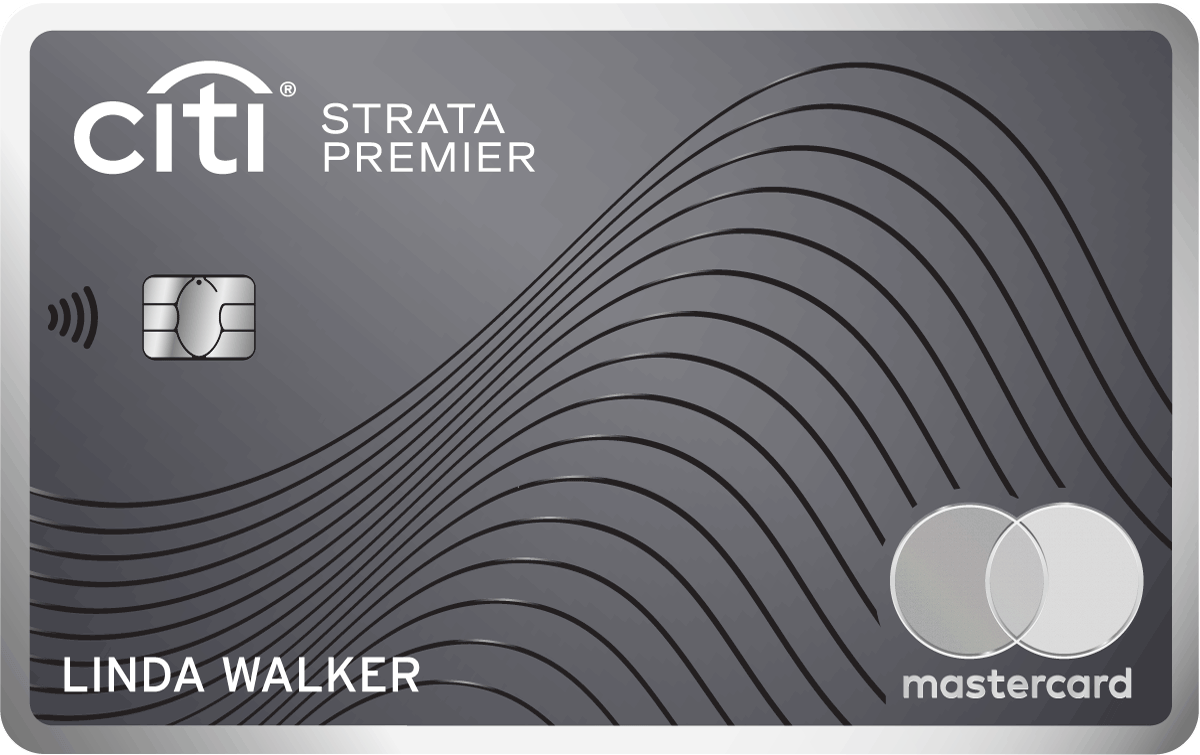
- Earn 60,000 bonus ThankYou® Points after spending $4,000 in the first 3 months of account opening, redeemable for $600 in gift cards or travel rewards at thankyou.com.
- Earn 10 Points per $1 spent on Hotels, Car Rentals, and Attractions booked on CitiTravel.com.
- Earn 3 Points per $1 on Air Travel and Other Hotel Purchases, at Restaurants, Supermarkets, Gas and EV Charging Stations.
- Earn 1 Point per $1 spent on all other purchases
- $100 Annual Hotel Benefit: Once per calendar year, enjoy $100 off a single hotel stay of $500 or more (excluding taxes and fees) when booked through CitiTravel.com. Benefit applied instantly at time of booking.
- No expiration and no limit to the amount of points you can earn with this card
- No Foreign Transaction Fees on purchases
- 10X on Hotels, Car Rentals, and Attractions booked through CitiTravel.com
- 3X – Earn 3 Points per $1 spent on Air Travel and Other Hotel Purchases
- 3X – Earn 3 Points per $1 spent on Restaurants
- 3X – Earn 3 Points per $1 spent on Supermarkets
- 3X – Earn 3 Points per $1 spent on Gas and EV Charging Stations
- 1X – Earn 1 Point per $1 spent on All Other Purchases
Other cards rarely see the light of day, but I keep them open anyway because the benefits are valuable. The Ritz-Carlton™ Credit Card falls into this category. I almost never swipe it, but simply holding the card unlocks all of the perks I value.
Then there are cards that fail both tests. If I am not using the card for spending and there is no compelling reason to keep it open for the benefits alone, it probably does not need to stay in my lineup.
For me, Wyndham Rewards® Earner℠ Business Card is a good example. At one point, this card made a lot of sense for my strategy. Wyndham points could be used for excellent value on Vacasa vacation rentals. Furthermore, Wyndham Diamond status from the card could be matched to Caesars Rewards for perks like complimentary cruise offers.
However, those opportunities have largely disappeared. With those benefits gone, the card no longer plays a meaningful role in my lineup. Since I am not actively using it for spending either, it is one I plan to cancel when the next annual fee comes around.
Thinking about cards this way helps me quickly sort them into three categories: cards I actively use, cards I keep for the benefits, and cards that may be ready to go.

Third Sweep: Do I Have Another Card That Does This Better?
As you collect more credit cards over time, it becomes increasingly common for benefits to overlap.
For example, I have multiple cards that offer perks like TSA PreCheck/Global Entry credits, airport lounge access, and trip insurance. These are common benefits across most premium cards.
Credits can also pile up quickly. Since I have two The Business Platinum Card® from
Hotel status is another area where duplication happens. For example,
When multiple cards offer the same or similar perks, I ask myself whether I really need all of them.
The Final Sort: Keep, Downgrade, or Cancel
After running through these questions, I usually have a clear sense of which cards are still earning their place in my lineup. Once I reach that point, the next step is deciding what to actually do with the cards that did not make the cut.
Here are the options I typically consider:
Ask for a retention offer
Before canceling a card with an annual fee, it can be worth calling the issuer to see if they are willing to offer an incentive to keep the account open. Sometimes banks will offer bonus points or a statement credit if you agree to keep the card for another year.
For example, when I was planning to cancel Southwest
Related: When to Downgrade vs. Cancel a Credit Card
Downgrade or product change to a no-annual-fee card
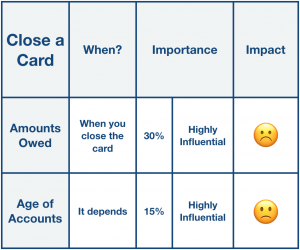
This is often my preferred outcome if the issuer offers it. Downgrading allows me to avoid the annual fee while keeping the account open. Keeping the account open preserves the age of the account on my credit report and maintains the credit line. Both can benefit my overall credit profile.
Last year, I product changed United℠ Explorer Card to the no-annual-fee United Gateway℠ Card. I was no longer getting enough value to justify the fee, but I still wanted to keep the account open.
Cancel the card
If there is no downgrade path and the card no longer provides meaningful value, canceling may be the simplest option. Wyndham Rewards® Earner℠ Business Card is a good example. There is no downgrade option, and the card no longer plays a meaningful role in my travel strategy. Therefore, it is one I plan to cancel when the next annual fee posts.
It is important to remember that you generally need to hold a credit card for at least one year before canceling it or product changing it. Because of this rule, I usually wait until the first annual fee appears before taking action.
Bottom Line
Taking a pause once a year to evaluate your credit card portfolio can be a helpful strategy for maintaining value in the points and miles hobby. Benefits change, annual fees add up, and the cards that once made sense may not always fit your strategy today. A little spring cleaning of your wallet can go a long way towards making sure that every annual fee you pay is worth it.
For rates and fees of the cards mentioned in this post, please visit the following links: Citi Strata Premier® Card (Rates & Fees)