





AwardWallet receives compensation from advertising partners for links on the blog. The opinions expressed here are our own and have not been reviewed, provided, or approved by any bank advertiser. Here's our complete list of Advertisers.
Closing a credit card can hurt your credit score, but it's probably not in the way you'd expect. The effect on your credit score depends on what that card contributes to your overall credit profile and what happens after it’s closed. In some cases, the impact is minimal. But in others, you could see a noticeable drop.
Here's what you need to know about closing a credit card and the potential consequences it can have on your score.
Why Closing a Credit Card Can Hurt Your Score
There are two main ways closing a card can affect your credit score.
1. It can increase your credit utilization
Your credit utilization ratio — the percentage of available credit you're using — is one of the most important factors in maintaining and building healthy credit. When you close a card, you lose that card’s credit limit. If your balances stay the same, your utilization goes up.
For example, if you have $10,000 in total credit and carry a $2,000 balance, your utilization is 20%. Close a card with a $5,000 limit, and suddenly you’re using 40% of your available credit.
If you pay your balances in full, closing a card will have little to no impact on your utilization. However, if you carry a balance, higher utilization can signal increased risk to lenders and may lower your score.
Keeping your balances low is one of the most effective ways to protect your score, especially if you’re planning to close a card. It’s just one of several habits that can help you manage your credit score more effectively.
2. It can affect your average account age… eventually
The length of your credit history also plays a role in your score. Closing a card doesn’t erase your payment history. As long as the account was in good standing, it can remain on your credit report for up to 10 years and continue to factor into your score during that time.
However, once that account eventually falls off, your average account age could decrease, especially if it was one of your oldest cards.
Related: Ways To Check Your Credit Score for Free
When closing a credit card might not hurt your credit score
Not every closure leads to a drop in your credit score. You may see little to no impact if:
- You have low balances across your other cards.
- The card you’re closing has a relatively small credit limit.
- You already have a long, well-established credit history.
- You have multiple other open accounts.
In these cases, your overall credit profile could stay strong even without that card.
When closing a credit card can have a bigger impact
Closing a card is more likely to hurt your score if:
- It’s one of your oldest accounts.
- It has a high credit limit relative to your other cards.
- You carry balances on other cards.
- You don’t have many other open accounts.
In short, the more that a card supports your credit profile, the more painful the impact will be when it’s gone.
Related: What Is Considered a ‘Fair' Credit Score — And How To Improve It
A Better Option: Consider Downgrading Instead
If you’re thinking about closing a card due to an annual fee or lack of use, downgrading might be a better option. Many issuers allow you to switch to a no-annual-fee version of the same card.
By downgrading instead of canceling your card, you get to keep your credit line open plus preserve your account history. You'll also avoid hurting your utilization ratio. This approach can be especially useful for older cards or those with high credit limits.
Note that downgrading can come with a trade-off. Depending on the issuer, you may become ineligible for future sign-up bonuses on that card. If you’re planning to apply again down the road, make sure to factor that into your decision.
Related: Top Credit Card Offers Available Now

$95
- 5X miles per dollar on purchases through Capital One Entertainment
- 5X miles per dollar on hotels, vacation rentals and rental cars booked through Capital One Travel
- 2X miles per dollar on all other purchases

$95Rates & Fees
- 5X points on Lyft rides through September 2027
- 5X points on travel purchased through Chase Travel℠
- 3X points on dining at restaurants worldwide
- 3X points on gas and EV charging
- 3X points on vacation homes at top brands like Airbnb, Vrbo and more
- 3X points on eligible streaming services
- 3X points on online grocery purchases (excluding Target, Walmart, and wholesale clubs)
- 2X points on all other travel
- 1X point per dollar spent on all other purchases
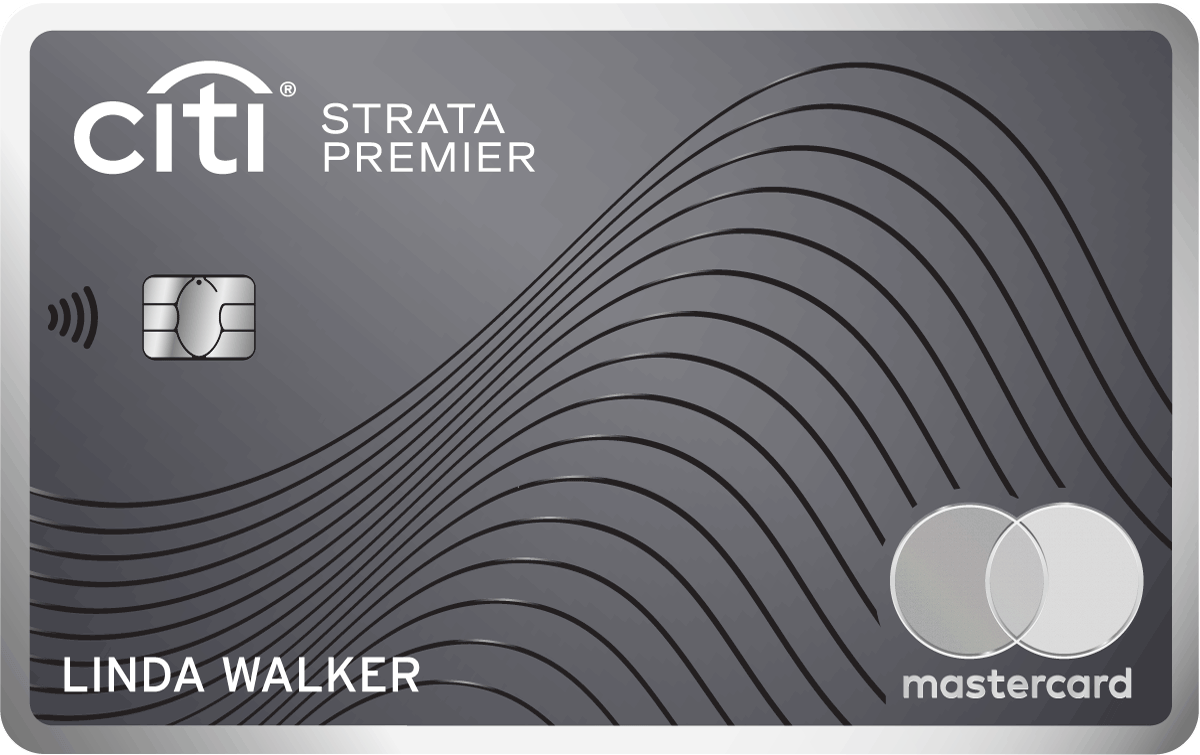
$95Rates & Fees
- 10X on Hotels, Car Rentals, and Attractions booked through CitiTravel.com
- 3X – Earn 3 Points per $1 spent on Air Travel and Other Hotel Purchases
- 3X – Earn 3 Points per $1 spent on Restaurants
- 3X – Earn 3 Points per $1 spent on Supermarkets
- 3X – Earn 3 Points per $1 spent on Gas and EV Charging Stations
- 1X – Earn 1 Point per $1 spent on All Other Purchases
When It Makes Sense to Close a Credit Card
Even though closing a card can impact your credit, it can still be the right move in some situations. For example, if you’re paying an annual fee that no longer makes sense, if the card tempts you to overspend, or if you’re simplifying your finances and reducing unused accounts, these are all good reasons to close your card. It may also make sense if you’re dealing with fraud or security concerns.
Related: Spring Cleaning My Wallet: How I Decide Which
Bottom Line
Closing a credit card can lower your credit score, mainly by increasing your credit utilization and, over time, shortening your average credit history. But the impact can be insignificant and temporary.
If you’re unsure about canceling your card, consider downgrading instead. And if you do close a card, keeping balances low on your remaining accounts can help protect your score.
For rates and fees of the cards mentioned in this post, please visit the following links: Chase Sapphire Preferred® Card (Rates & Fees), and Citi Strata Premier® Card (Rates & Fees)