




AwardWallet receives compensation from advertising partners for links on the blog. The opinions expressed here are our own and have not been reviewed, provided, or approved by any bank advertiser. Here's our complete list of Advertisers.
VantageScore — the credit scoring model created by Equifax, Experian, and TransUnion — was developed to provide a consistent score across all three credit bureaus. It's used by many lenders and plays a major role in credit card approvals.
The company recently released the latest average credit score in the U.S., and if you’re planning to open a new credit card, it’s worth knowing where you stand. Let’s break down the numbers, what they mean, and how your score could affect your next application.
Page Contents
VantageScore Reveals America’s Average Credit Score
VantageScore has reported that the average American has a credit score of 700 as of January 2026. That’s a couple of points lower than 2025 — but other trends tell a worrying story beyond just a drop of a point or two.
Banks are starting to pull back on new card openings. VantageScore’s latest CreditGauge report shows that new personal loan, auto loan, and mortgage originations all increased in January 2026 — but card originations decreased slightly, suggesting card issuers are getting a bit more cautious.
However, the real troubling signs are in the mortgage industry. Early-stage delinquencies (30–59 days past due) rose by almost 31% year-over-year. Other mortgage delinquencies are up, too, with late-stage delinquencies (90–119 days past due) up nearly 15% year-over-year.
So while the average score hasn’t dropped much, these signs point to a tighter credit environment — where strong credit habits matter more than ever. Keeping balances low, paying on time, and avoiding too many new inquiries can help you stay above that 700 mark and improve your odds when applying for new cards.
How Credit Scores Work
Credit scores range from 300 to 850, so one might expect the average to be closer to the midpoint of ~600 rather than over 700. Of course, the better your credit score, the better your chances are of being approved for a credit card. According to this article from Chase:
Generally, a “good'” credit score may increase the chances of being approved for most rewards credit cards.
So, what counts as a “good” credit score? The same article lays out the ranges for both the VantageScore and FICO credit scores:
| Category | VantageScore | FICO Score |
|---|---|---|
| Excellent / Exceptional | 781 to 850 | 800+ |
| Very Good | n/a | 740 to 799 |
| Good | 661 to 780 | 670 to 739 |
| Fair | 601 to 660 | 580 to 669 |
| Poor | 500 to 600 | 579 and below |
| Very Poor | 300 to 499 | n/a |
VantageScore credit score ranges
- Excellent: 781 to 850
- Good: 661 to 780
- Fair: 601 to 660
- Poor: 500 to 600
- Very Poor: 300 to 499
FICO credit score ranges
- Exceptional: 800+
- Very Good: 740 to 799
- Good: 670 to 739
- Fair: 580 to 669
- Poor: 579 and below
These ranges show a score as low as ~670 may be considered “good.” However, we generally recommend that you have a score of at least 700 before applying for popular cards such as the Chase Sapphire Preferred® Card (Rates & Fees).
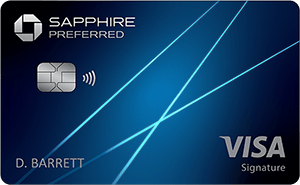
- Earn 75,000 bonus points after you spend $5,000 on purchases in the first 3 months from account opening.
- Enjoy benefits such as 5x on travel purchased through Chase Travel℠, 3x on dining, select streaming services and online groceries, 2x on all other travel purchases, 1x on all other purchases
- Earn up to $50 in statement credits each account anniversary year for hotel stays through Chase Travel℠
- 10% anniversary points boost - each account anniversary you'll earn bonus points equal to 10% of your total purchases made the previous year.
- Count on Trip Cancellation/Interruption Insurance, Auto Rental Collision Damage Waiver, Lost Luggage Insurance and more.
- Complimentary DashPass which unlocks $0 delivery fees & lower service fees for a min. of one year when you activate by 12/31/27. Plus, a $10 promo each month on non-restaurant orders.
- Member FDIC
- 5X points on Lyft rides through September 2027
- 5X points on travel purchased through Chase Travel℠
- 3X points on dining at restaurants worldwide
- 3X points on eligible streaming services
- 3X points on online grocery purchases (excluding Target, Walmart, and wholesale clubs)
- 2X points on all other travel
- 1X point per dollar spent on all other purchases
Although credit score is only part of the equation when banks consider credit card applications, it obviously carries the most weight. Generally speaking, an above-average credit score is needed for approval for the most popular — and lucrative — points-earning cards, so managing your score well is very important.

AwardWallet Credit Resources
AwardWallet has several resources for checking and managing your credit score — as well as tips to improve your credit if needed.
- Beginner's guide to building healthy credit: This guide walks beginners through the steps to get you on the right path to a solid credit history.
- Managing your credit score: This post outlines the basis of credit scores and gives helpful tips on how to manage your score effectively.
- Check your credit score for free: Obtain your free report from all three bureaus on a weekly basis, if desired. This can help you keep tabs on your score and make sure everything looks good.
Final Thoughts
If you’re aiming to open new credit cards — especially those offering big welcome bonuses — understanding your credit score is essential. With the average American credit score now sitting at 700, getting above that threshold can help you stand out to issuers and improve your chances of approval.
Whether you're just getting started or looking to fine-tune your credit profile, having a strategy in place can be the key to unlocking valuable points and miles down the road.
For rates and fees of the cards mentioned in this post, please visit the following links: Chase Sapphire Preferred® Card (Rates & Fees)