






AwardWallet receives compensation from advertising partners for links on the blog. The opinions expressed here are our own and have not been reviewed, provided, or approved by any bank advertiser. Here's our complete list of Advertisers.
May 24 = 5/24. So naturally, we’re covering all things Chase 5/24 on AwardWallet today. Whether you’re under, over, or not sure what 5/24 even means, we’ve got guides, tips, and strategies to help you navigate this card application rule.
If you’ve ever had a Chase credit card application denied despite strong credit, there’s a good chance Chase’s 5/24 rule was the reason.
The “rule” is one of the most infamous card application restrictions, and planning around it is key if you want to earn Ultimate Rewards points.
Because the rule is based on what appears on your credit report — not just Chase cards — it’s easy to lose track of where you stand, especially if you’ve opened cards across multiple issuers or been added as an authorized user. That’s why one of the most common questions we hear is: How do I check my Chase 5/24 status?
The good news is that you don’t need paid tools or complicated spreadsheets to find out. Below, we’ll walk through the easiest free ways to check your 5/24 count — and what to watch for so you don’t miscalculate it.
A Quick Recap of Chase's 5/24 Policy
Under Chase's 5/24 policy, most applicants will be denied for a new card if they’ve opened five or more credit card accounts in the last 24 months. The count is based on what appears on your credit report, not just your history with Chase.
Chase applies this restriction to nearly all of its credit cards, including Sapphire, Ink, and Freedom cards, as well as many airline, hotel, and business cards.
Here are the main takeaways from this rule:
- All personal credit cards opened in the past 24 months (from any issuer) count toward your 5/24 status. For example, if you’ve opened one card each with American Express, Bank of America, and Barclays, you’d be at 3/24 even though none are Chase cards.
- In most cases, Chase business cards don’t add to your 5/24 total. However, you'll need to be under 5/24 to qualify.
- Some business cards do count toward your tally. These include Discover, TD Bank, and most Capital One business cards, since these issuers often report small business accounts to your personal credit report.
- Closing a card doesn’t remove it from your count. Chase’s policy is based on when you opened the account, not whether it’s still active.
- Authorized user accounts may be included in Chase’s calculation. If that pushes you over 5/24, a reconsideration call can sometimes help clarify that you’re not the primary account holder.
- Other types of loans (like auto loans, personal loans, mortgages, or student loans) do not count toward your 5/24 status.
Related: Why Starting With Chase Cards Matters if You’re Under 5/24
Simple Ways To Check Your Chase 5/24 Status
While Chase’s 5/24 rule can sound intimidating, checking your status is pretty straightforward. In many cases, you can determine your count for free by reviewing your recent credit card accounts or using tools designed to track new account openings.
Below are a few of the easiest ways to check your 5/24 status.
Credit Karma
An excellent free option for checking your 5/24 status is Credit Karma, which provides access to both your TransUnion and Equifax credit reports.
To get started, create an account on Credit Karma’s site and enter the requested information. Once it pulls your credit profile, select either TransUnion or Equifax from the dashboard. Then, scroll down to the Credit Health section, and click on “Credit age.”
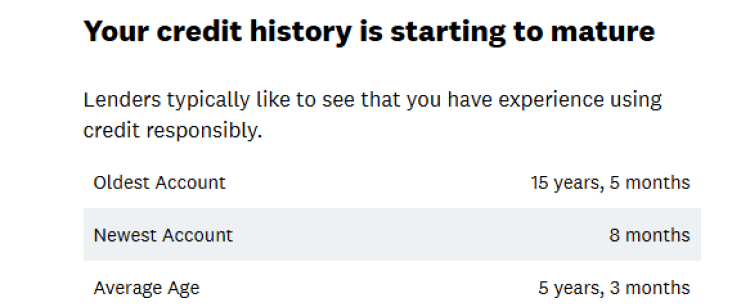
On the next page, scroll down to the “Credit cards” section. Your accounts will be listed from oldest to newest.
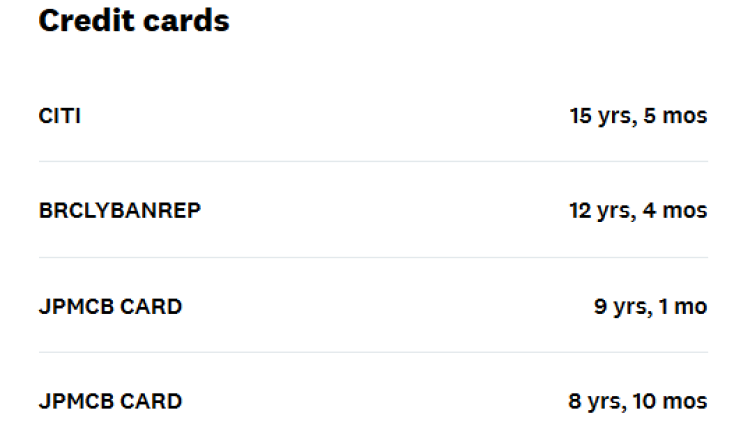
From there, scroll to the newest accounts and note any cards opened within the last two years.
Unfortunately, this list only shows your open accounts. Chase also considers closed accounts when calculating your 5/24 status, so you’ll need to review those as well.
To do that, find the “View another credit factor” section and click “Total accounts.”
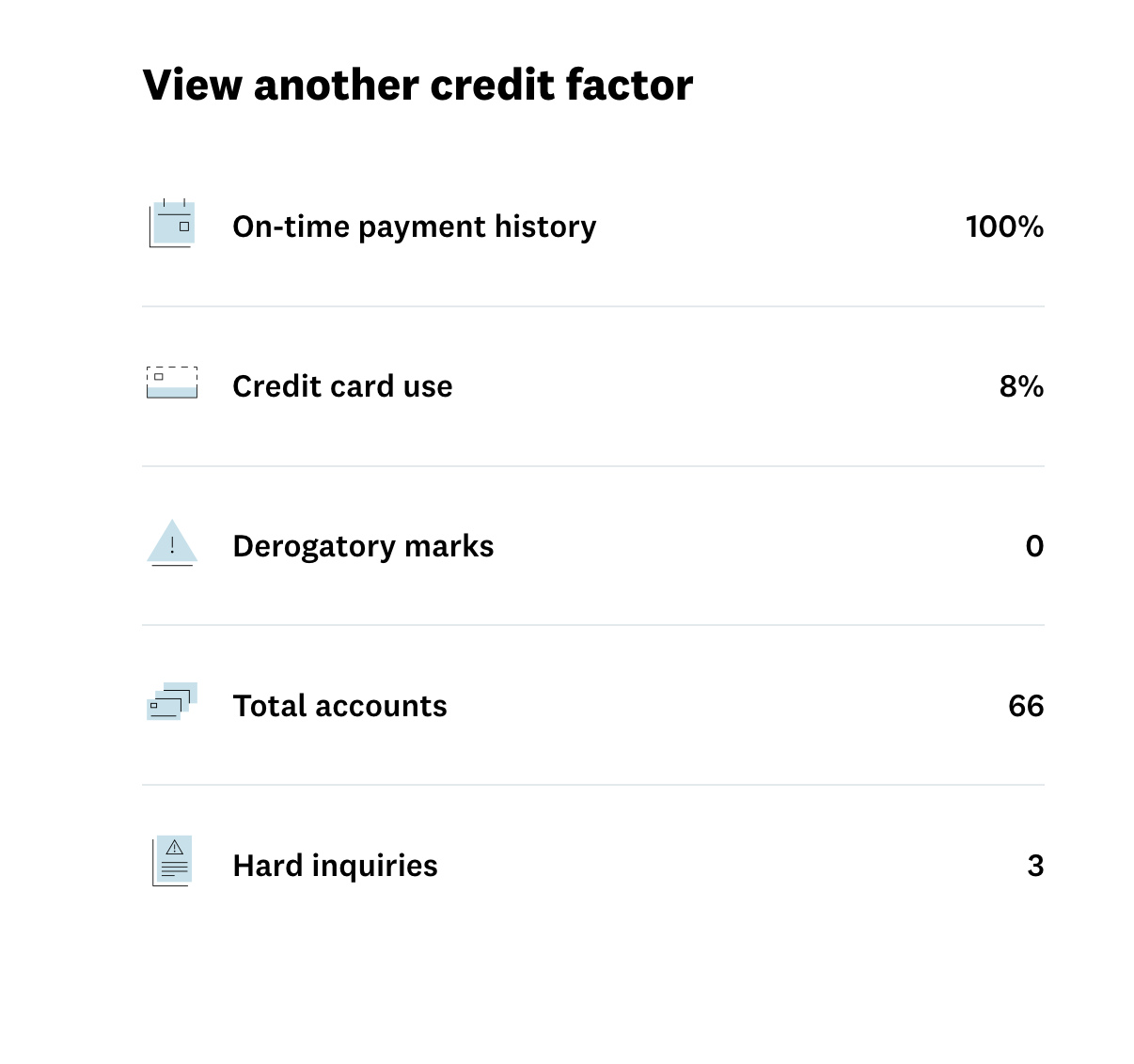
Next, scroll down and select “View all accounts.”
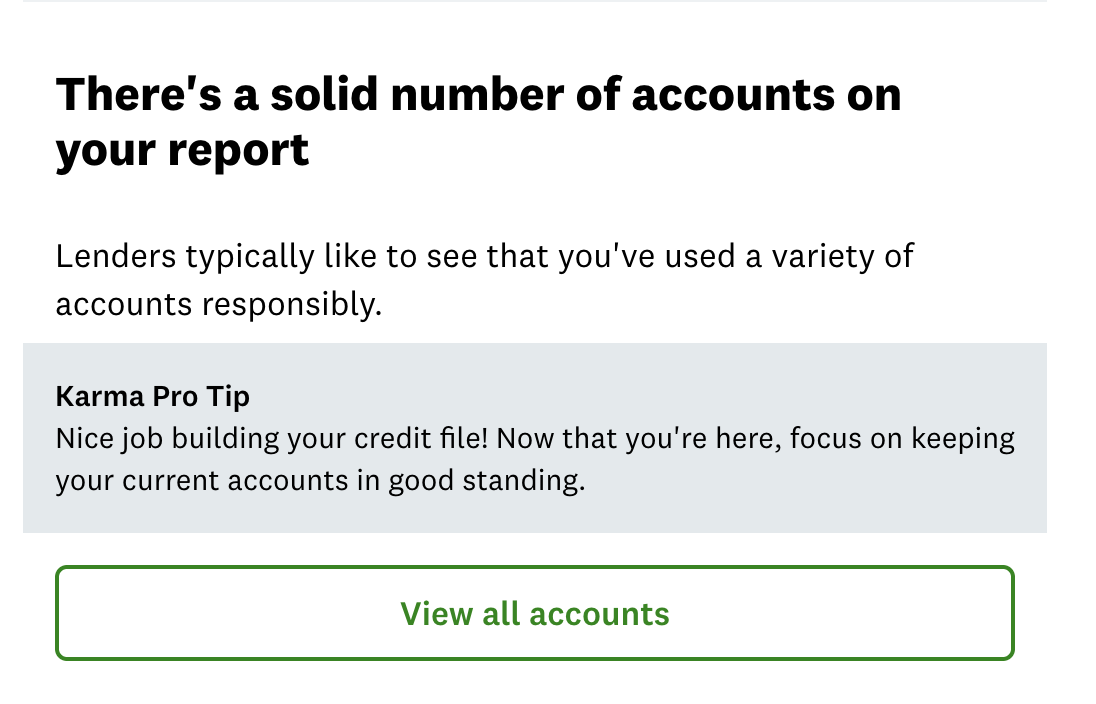
From there, click “Show XX closed accounts.”
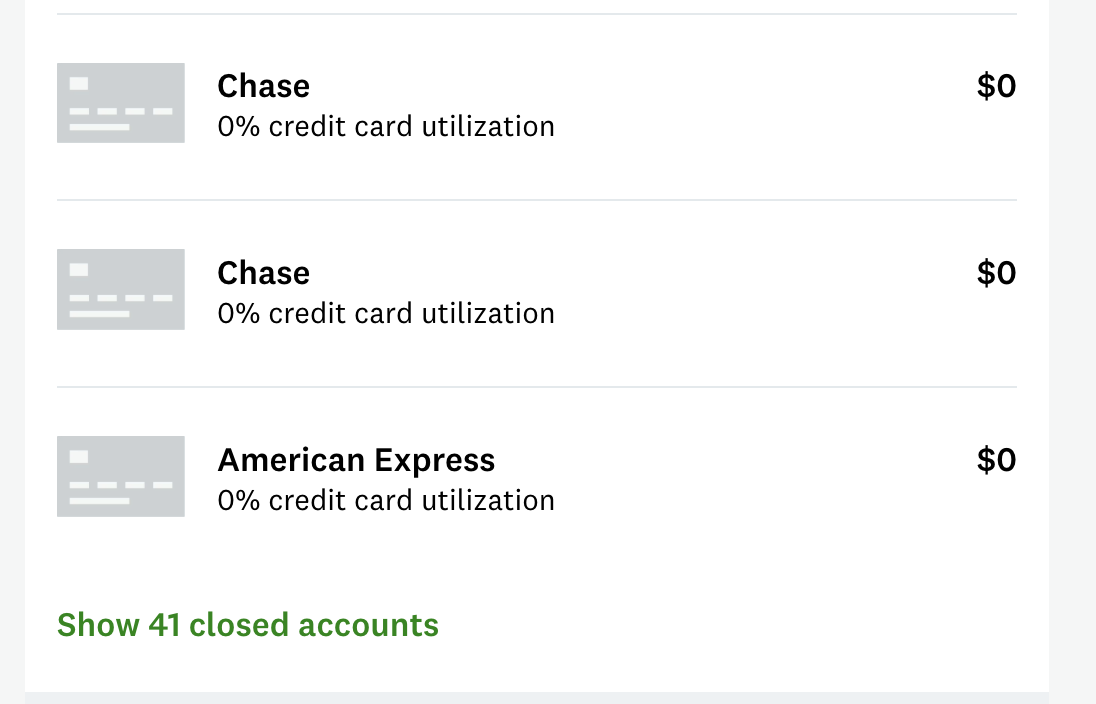
These accounts aren’t sorted by opening date, which is what you really need. Instead, you’ll see the issuer name and the closing date. Cards closed more than 24 months ago can be ignored. For any card closed within the last two years, click the account name to view the opening date.
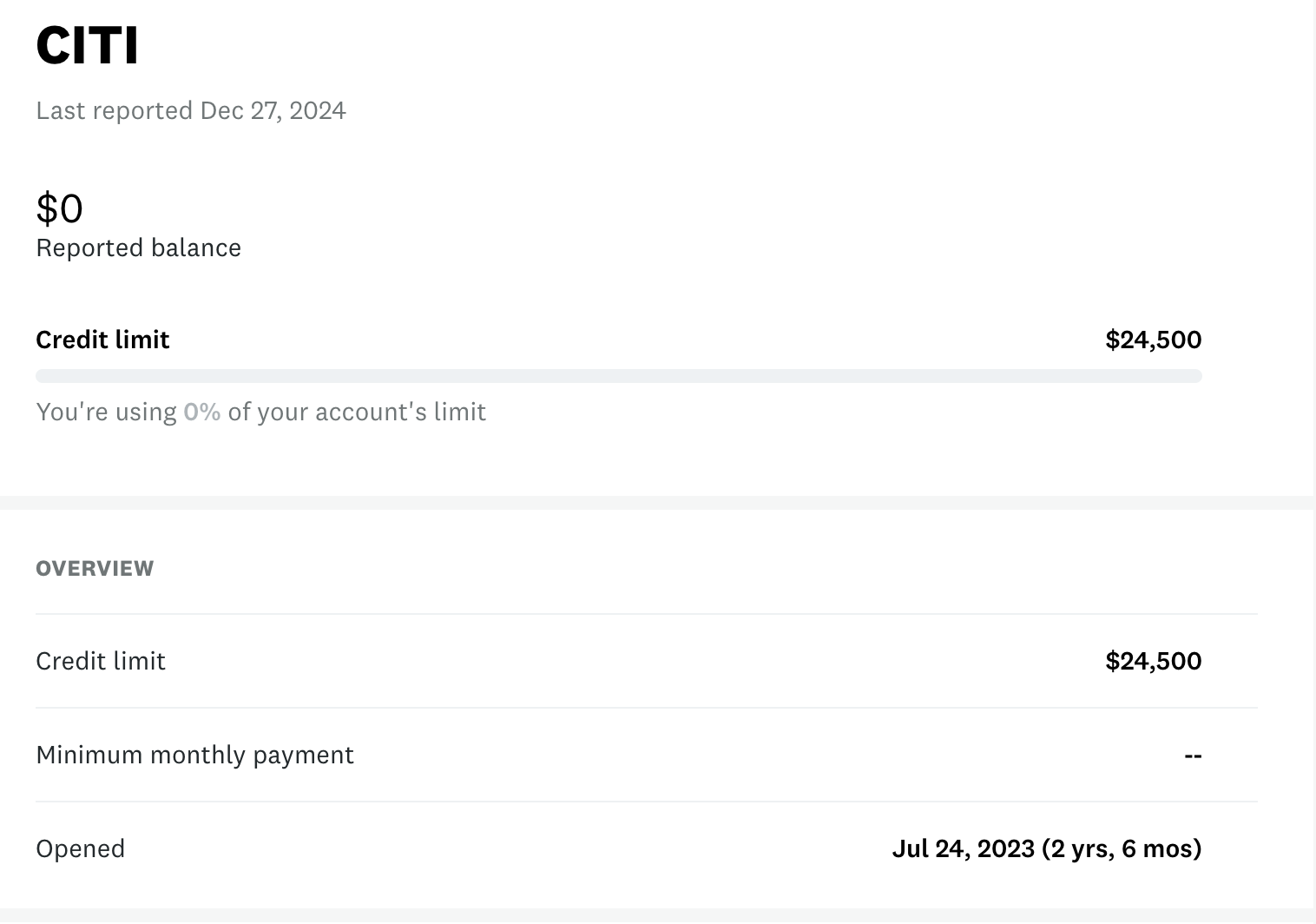
Once you add the relevant closed accounts to your open accounts list, you’ll have the total number of cards you’ve opened in the past 24 months, which is your Chase 5/24 number.
Capital One CreditWise
Capital One’s CreditWise can give you a quick snapshot of recently opened accounts.
Just log in to your Capital One account and scroll down until you see the CreditWise tile. Click it and activate the service if you haven’t already — it’s free.
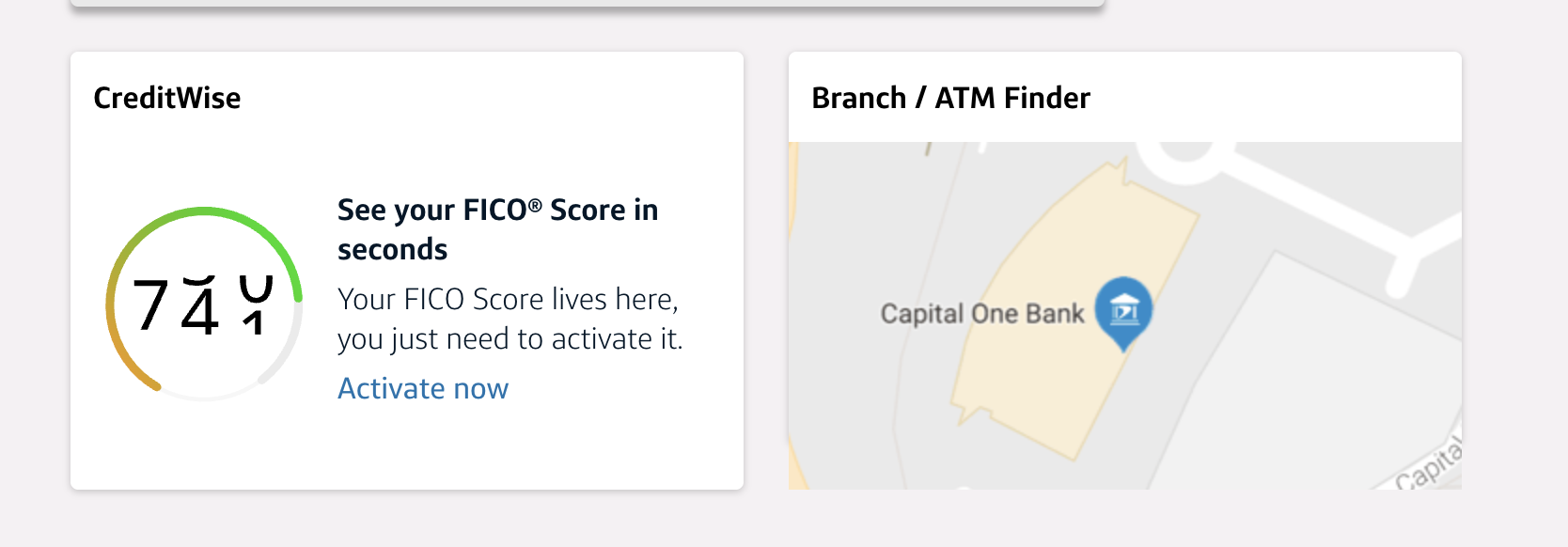
Once inside CreditWise, look for the section labeled “Your TransUnion Credit Report” and click it.
From there, scroll to “Accounts & Balances,” where you’ll click “New” to view all accounts opened recently.
According to Capital One, this section displays accounts opened within the past 12 months. That can be helpful for quickly reviewing your recent applications, but remember that Chase’s 5/24 rule looks back a full 24 months.
For example, CreditWise showed that I had opened two accounts in the past year, but my actual 5/24 status was 4/24 because I had also opened two additional accounts during the previous 12 months.
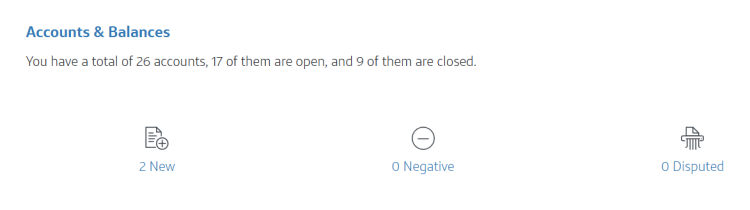
Because of that, CreditWise works best as a quick reference tool rather than a complete 5/24 calculator. You may still need to double-check your status.
Related: Ways To Check Your Credit Score for Free
Track your status with Travel Freely
Travel Freely is personally my favorite way to track 5/24 status.
Your current 5/24 count appears right on the dashboard, making it incredibly easy to check at a glance. It also tracks when each account will fall off your 5/24 timeline, which can be especially helpful when planning future card applications.

That said, you do have to add your accounts manually. That can take some time, especially if you’ve opened a lot of credit cards over the years.
For older accounts, you don’t necessarily need to include details like the bonus you earned or whether you product-changed the card. The most important information is simply the card name and the opening date. You can usually find that date on your credit report or by contacting the card issuer directly.
The good news is that once everything is entered, Travel Freely is easy to maintain. Adding a new card takes just a minute, and updating a card you’ve closed or changed is straightforward. Plus, your 5/24 status will always be visible whenever you log in.
Other Free Ways To Check Your Chase 5/24 Status
Keeping track of your 5/24 status doesn't require a fancy app if you prefer to do it old school. Here are some other ways to determine if you're eligible for a Chase card.
Get your free credit report
You can get a free copy of your credit report at AnnualCreditReport.com. As the name implies, the site provides access to your credit report at no cost.
The report includes all the information you need to determine your 5/24 status. However, it won’t automatically sort accounts by opening date, so you’ll need to review the list manually.
Track your count in a spreadsheet
If you’d rather track your 5/24 status yourself, you can create a simple spreadsheet with the opening dates of your credit cards. For the best accuracy, it’s a good idea to confirm both opening and closing dates on your credit report.
Use your free credit access within your bank's app
Most major banks now offer free credit monitoring tools directly within their apps or websites. Depending on the bank, these tools may provide access to your credit score, recent accounts, credit inquiries, and portions of your credit report.
Just remember that because these tools often pull data from different credit bureaus, the information may vary slightly from one app to another.
Regardless of the method you use to check your credit report, you can identify authorized user accounts in the account details. Look for language like “Responsibility: Authorized User” when reviewing a credit line.
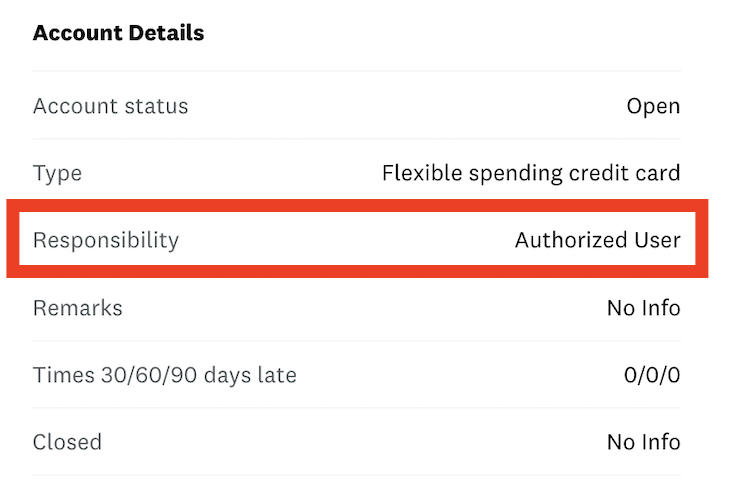
If you’re the primary cardholder, that same field will typically show “Individual.”
When counting accounts opened within the last two years, make note of which ones are authorized user accounts. These accounts usually don’t count toward your 5/24 status, but it’s still helpful to know how many you have in case you need to clarify this during a reconsideration call.
Final Thoughts
Because of Chase’s inflexible application rules, we recommend building your portfolio of Ultimate Rewards-earning cards before branching out into other rewards currencies. If you focus on other issuers first and end up over 5/24, getting back under the limit can take time. And it’s never fun missing out on Chase’s lucrative welcome offers.
Do you know other free, simple methods to check your 5/24 status? Let us know in the comments below.








![Best Credit Cards for Product Return Protection [2026]](https://awardwallet.com/blog/wp-content/uploads/2024/02/Christiann-Koepke-Unsplash-woman-paying-with-mobile-wallet-featured.png)